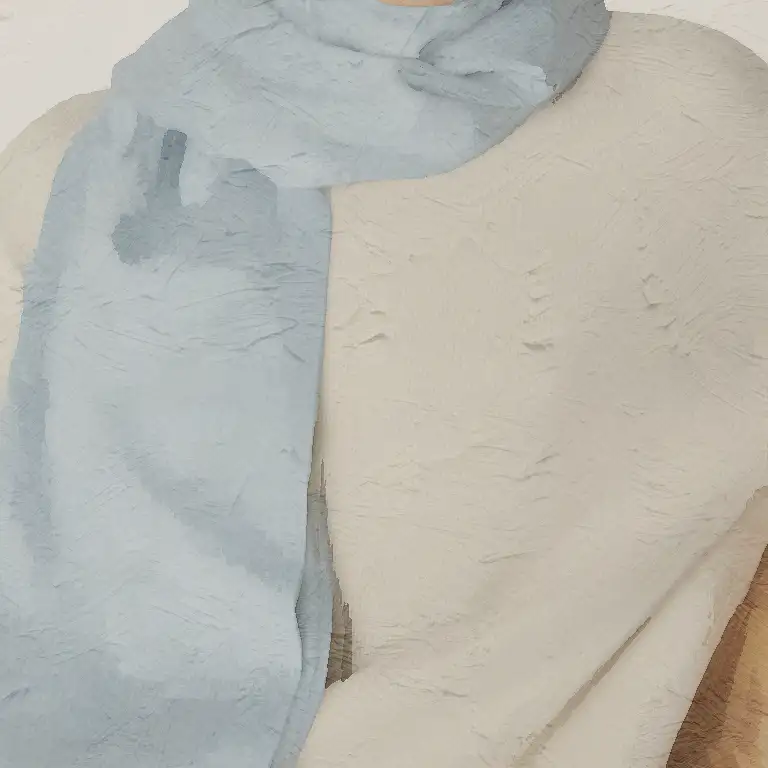
A fabric with alternating smooth and puckered areas, often arranged in stripes.
Seersucker’s texture can be produced during weaving by controlling two sets of warp yarns differently. The ground warp forms the flatter areas, while the puckering warp is allowed extra length and forms the crinkled areas as the weft is beaten into place. This creates alternating smooth and puckered bands within the cloth itself. A useful distinction is between these raised bands and a stripe made only by colour, which can remain flat. Seersucker also has a history in tailoring: the V&A records a 1930s cotton example comprising a jacket and two pairs of trousers.
In job listings
This fabric is mostly a matter for summer tailoring, shirting and product development. An advisor can use the word to explain the puckered stripes, and why the fabric is so often offered for warm weather. Search local jobs for “fabric”.