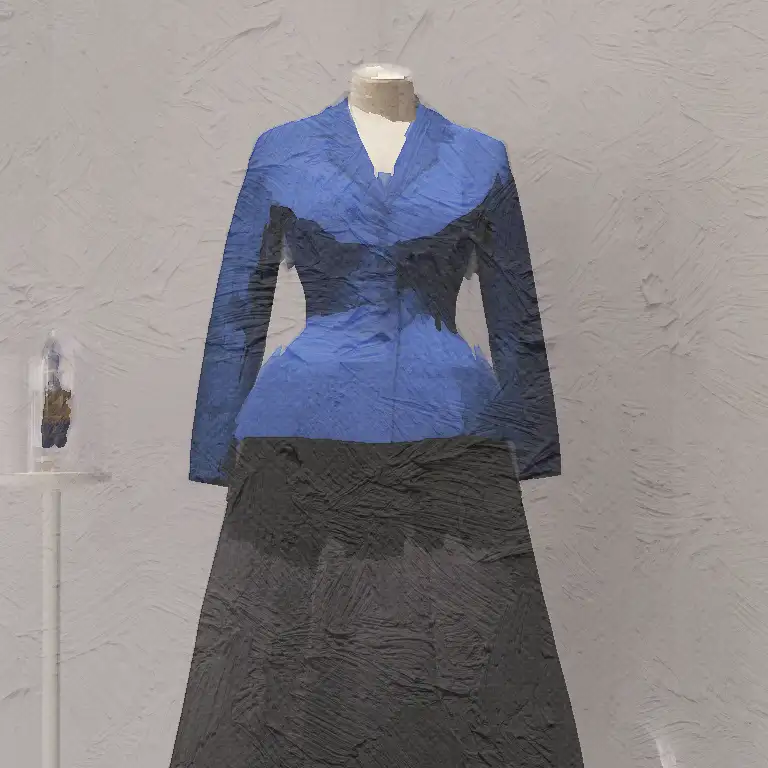
Making a garment by adjusting an existing pattern to a customer’s measurements.
Made-to-measure begins with an established garment pattern that is adjusted for an individual customer’s measurements. Those adjustments guide the cutting and making of the ordered garment. The useful distinction is the starting point of the pattern. Bespoke tailoring uses a pattern created for the individual, as the Savile Row Bespoke Association describes for its garments. Altering a finished garment is another workflow, because the garment already exists before the changes are made. A made-to-measure label alone does not establish how much hand sewing is used or how many fittings are included.
In job listings
Alfred Dunhill’s Senior Designer, Tailoring role in London included the seasonal development of its Custom, made to measure fabric collection alongside ready-to-wear tailoring. This places the term in collection development as well as client service. The employee looked after a fabric collection. The vacancy did not assign responsibility for measuring or fitting individual clients. Search local jobs for “made-to-measure”.