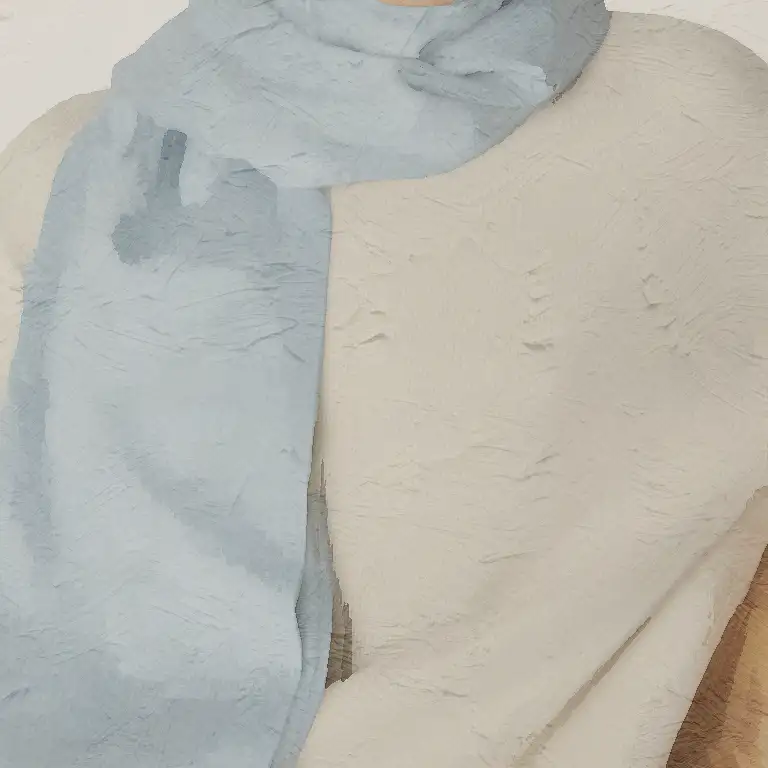
A crisp fabric, commonly silk, with noticeable irregular thick sections called slubs in its yarns.
Dupioni takes its texture from the yarn, not the weave. The Getty Art & Architecture Thesaurus describes dupion as irregular, rough silk reeled from double cocoons, or from cocoons spun side by side that have interlocked. The reeled thread varies in width, and woven up it gives the cloth the uneven relief, the slubs, by which it is recognised; the Getty adds that this makes it hard to tell from wild silk. Dupion, dupioni and douppion all name it.
A newcomer may take it for taffeta, which the Getty describes as crisp and usually plain-woven, but with a smooth, lustrous surface on both sides. The slubs are the test. The V&A’s holdings show where dupioni goes: a 1993 wedding dress in smocked silk dupion, a 1996 Anya Hindmarch handbag in dupion silk, and a printed silk dupion furnishing fabric by Celia Birtwell.
In job listings
Only a role close to the fabric is likely to need this word. A designer or developer may choose dupioni for its slubs, and alteration or sales staff should recognise them as a feature of the yarn, not a flaw. Search local jobs for “textiles”.