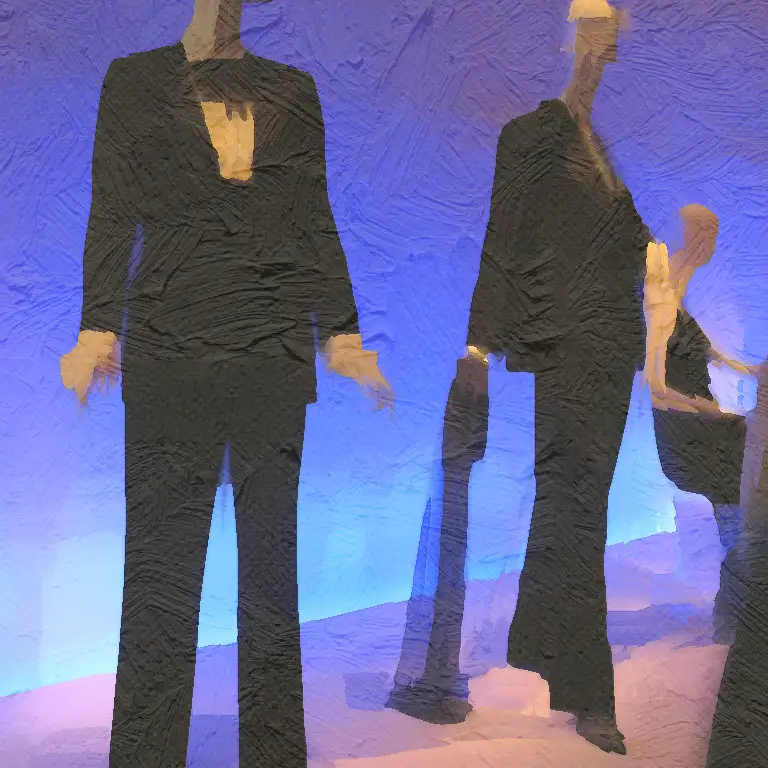
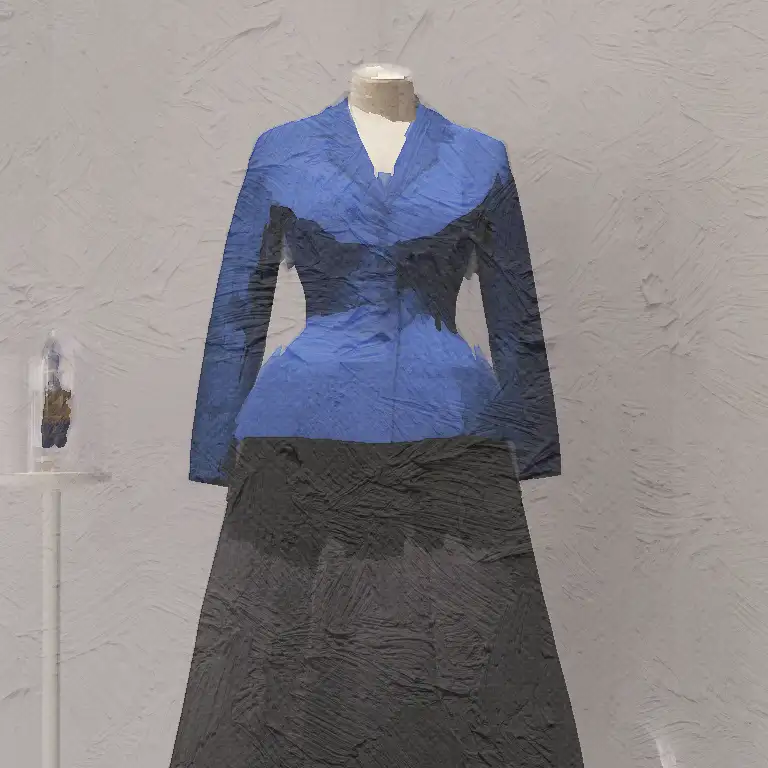
Experimental or unconventional design that challenges established styles or ways of making things.
Avant-garde describes work that introduces experimental ideas or methods and challenges familiar conventions. Its meaning depends on the established practice against which a design is being considered. It identifies an approach to design rather than a particular fabric, silhouette or construction technique. A garment or watch can therefore be described as avant-garde without that description explaining how it was made. In a product description, the useful next step is to identify the specific departure being discussed, such as an unconventional appearance or a new method, rather than treating the adjective as a technical specification.
In job listings
TAG Heuer’s Bicester Client Advisor posting introduced the house through its description of Swiss avant-garde watchmaking, alongside bold design and technical mastery. This places the term in the language surrounding a local retail role. The house was describing its experimental approach. It left the particular design or watchmaking method open. Search local jobs for “avant-garde”.